
Faculty Members from the Department of Computer Engineering Presented Their Research at the IEEE BigData 2025 Conference
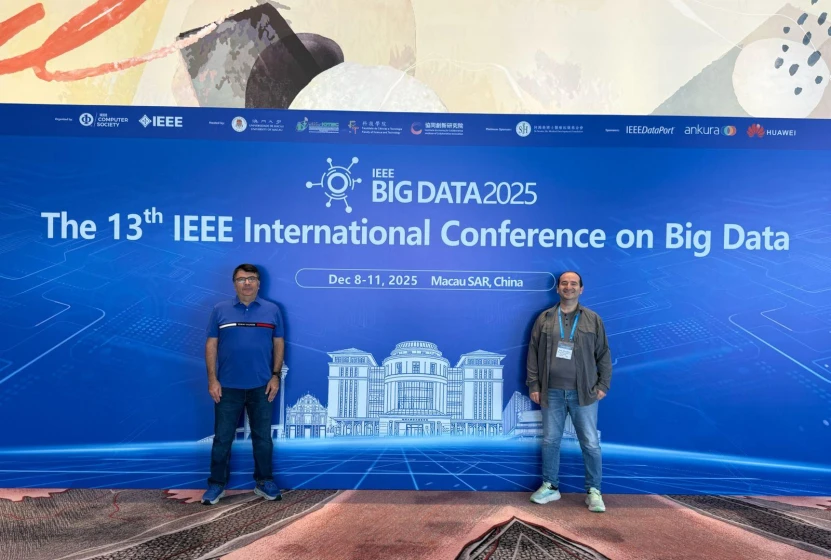
Faculty members from the Department of Computer Engineering at our university’s Faculty of Engineering and Architecture presented their research at The 13th IEEE International Conference on Big Data (IEEE BigData 2025), one of the world’s most prestigious scientific events in the field of big data. The conference was held from December 8–11, 2025.
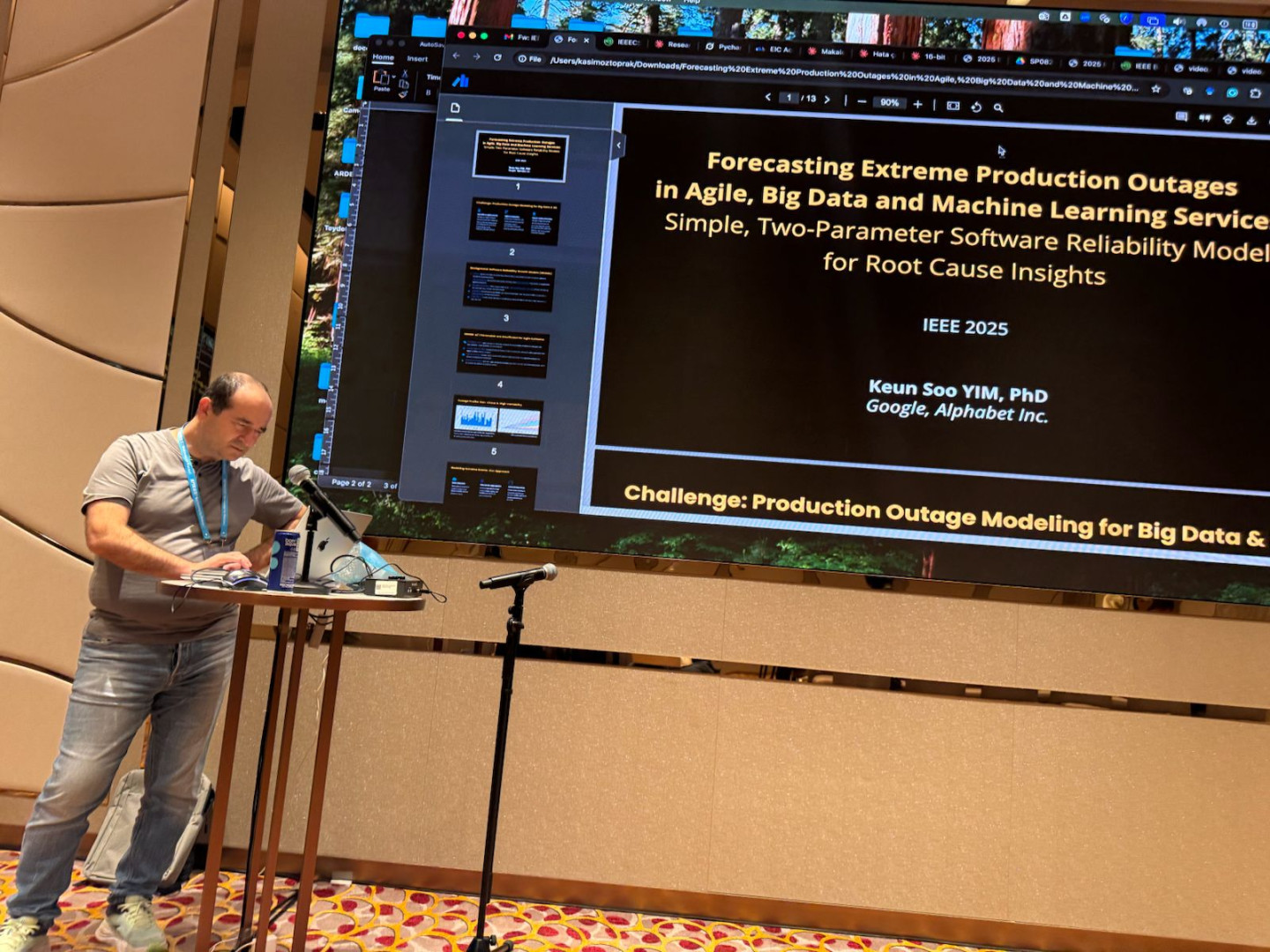
Faculty members from the Department of Computer Engineering at the Faculty of Engineering and Architecture—Prof. Dr. Kasım Öztoprak, Prof. Dr. Reza Hassanpour, and Dr. Yusuf Kürşat Tuncel—participated in the conference and presented four different scientific papers. The papers cover current research areas such as deep learning, health informatics, the Internet of Things (IoT), and cybersecurity.
The papers presented at the conference are as follows:
- “Deep Learning-Based Temporal Assessment of Corneal Endothelial Morphology Following Descemet Membrane Endothelial Keratoplasty: A Comparative Analysis of Dual Architectural Approaches”
- “Explainable Anomaly Detection Framework for Electronic Health Record Access Logs”
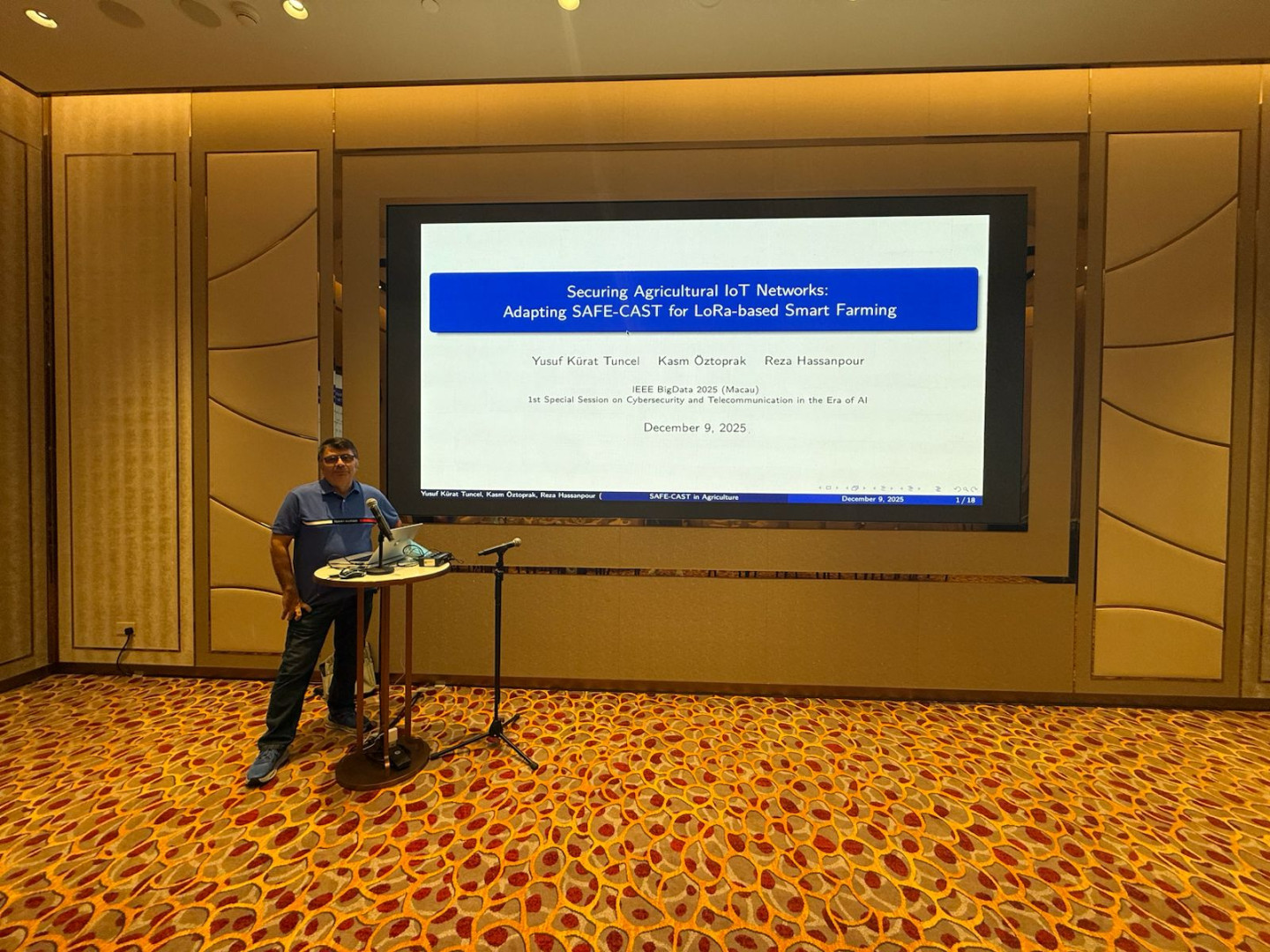
- “Securing Agricultural IoT Networks: Adapting the SAFE-CAST Framework for LoRa-Based Smart Farming Applications”
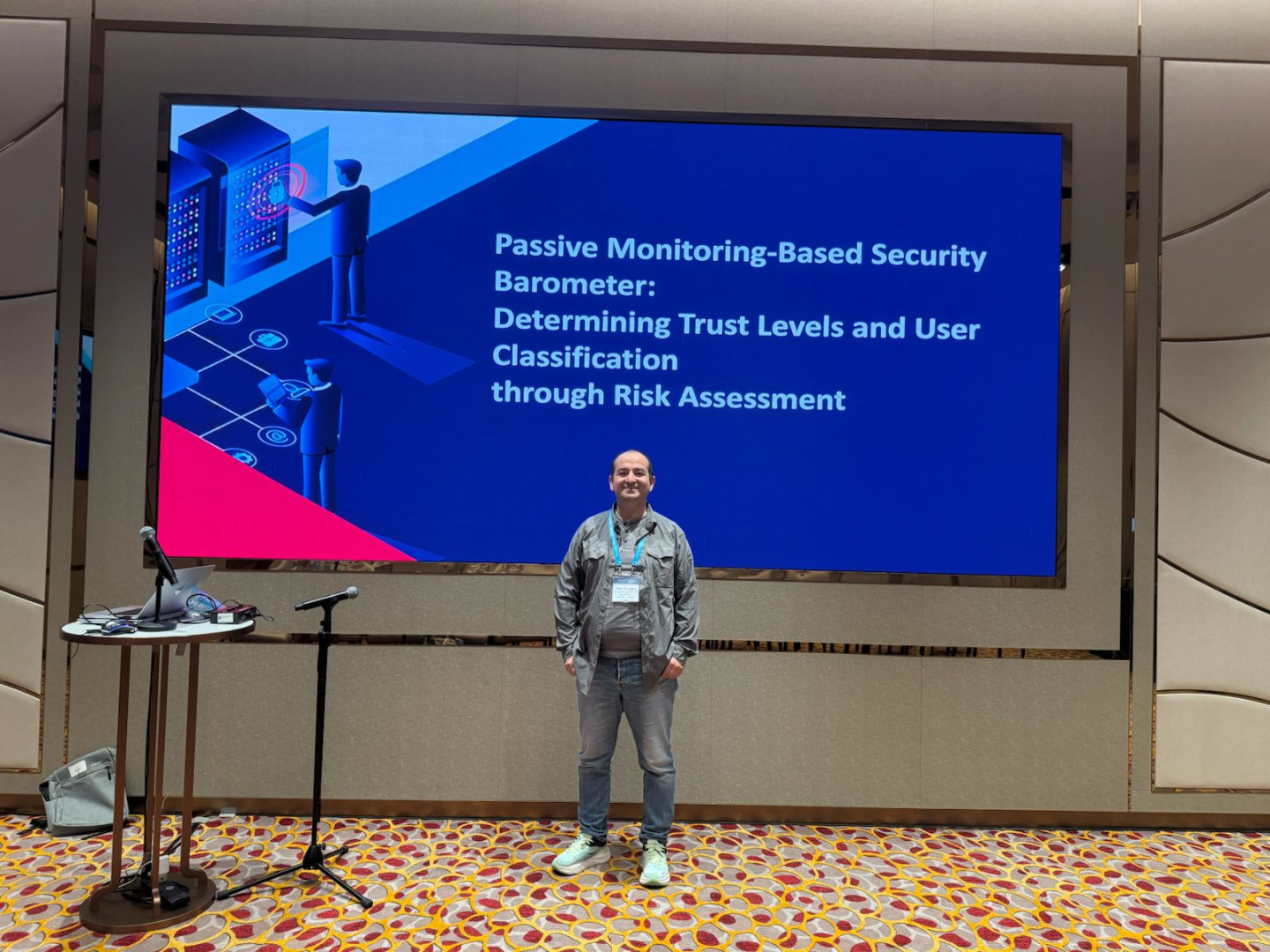
- “Passive Monitoring-Based Security Barometer: Determining Trust Levels and User Classification Through Risk Assessment”
The presented studies have conveyed research results to the scientific community across a wide range of topics, from deep learning-based medical image analysis to the protection of health records, and from the security of smart farming applications to the determination of user trust levels. These papers demonstrate the quality and interdisciplinary nature of the research activities our department conducts at the international level.
As the Department of Computer Engineering, we are pleased to share our satisfaction with the successful representation of our department and university by our faculty members at international scientific conferences, and we wish to state that we will continue to support such efforts in the coming periods through our commitment to scientific productivity.